Yellowfin Tuna Imports: Trends, Costs, and Country Insights
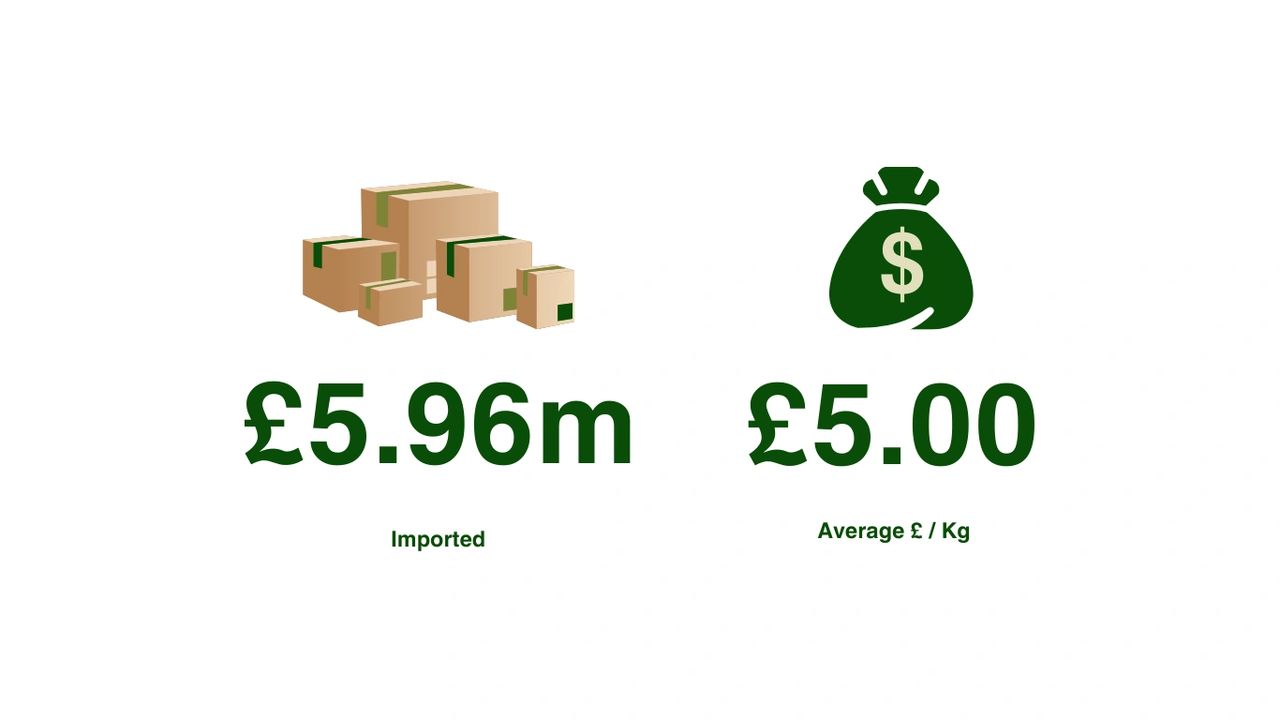
Yellowfin tuna has become a pantry staple in many UK households, so it’s no surprise that £5.96 million worth of this seafood was imported in the first half of 2024. Yellowfin tuna imports are dominated by two countries, Mauritius and Ghana with early 90% of the 1.2 million kilograms coming from them. With importers operating in the same market, optimising supply chains is critical to gaining a competitive edge. This article analyses the key trends shaping the first half of 2024.
Monthly Trends in Cost and Volume
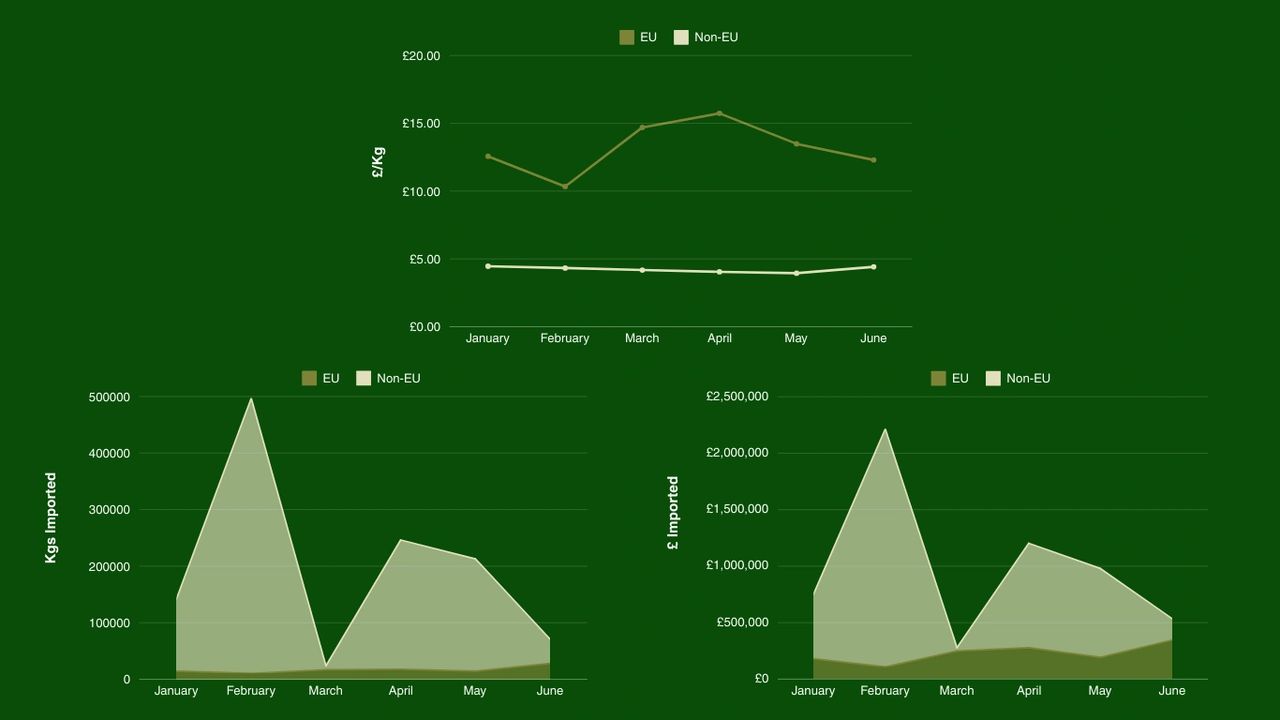
From January to June 2024, yellowfin tuna prices revealed intriguing insights.
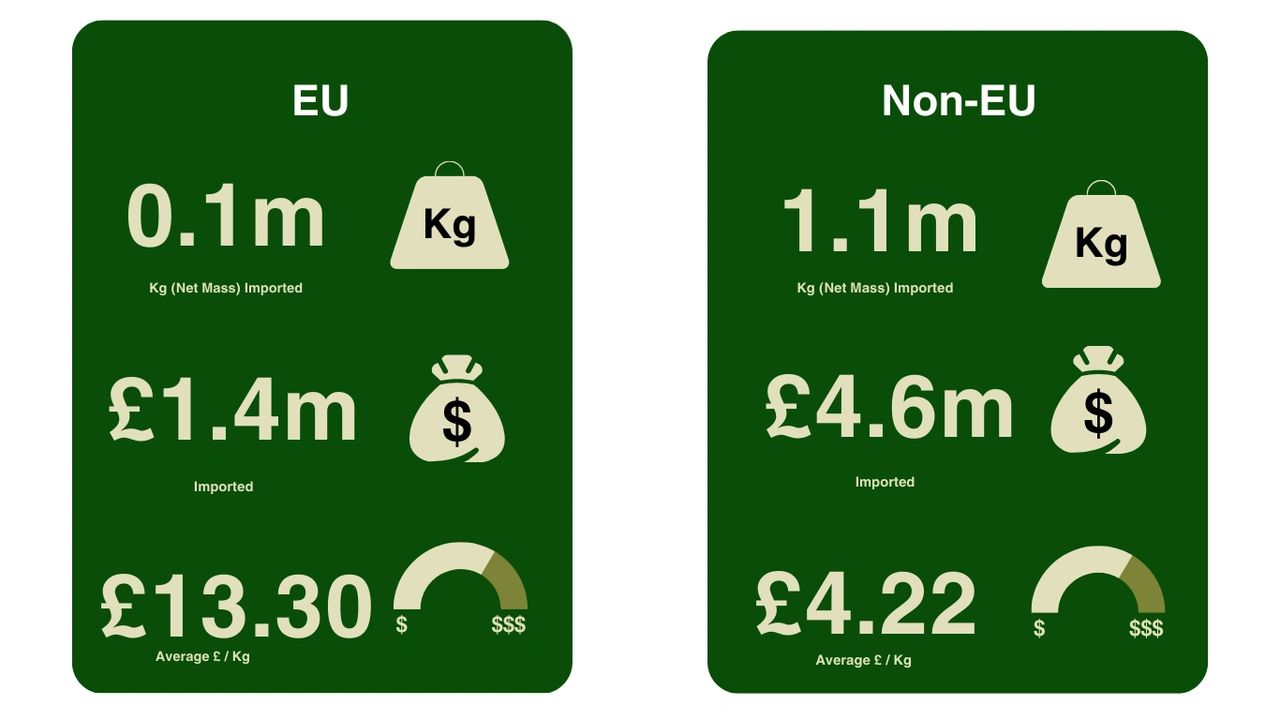
EU imports consistently commanded higher prices, averaging £13.30/kg, compared to just £4.22/kg for non-EU sources. Of course, with yellowfin tuna found in tropical and subtropical waters, imports from the EU have come through other countries first.
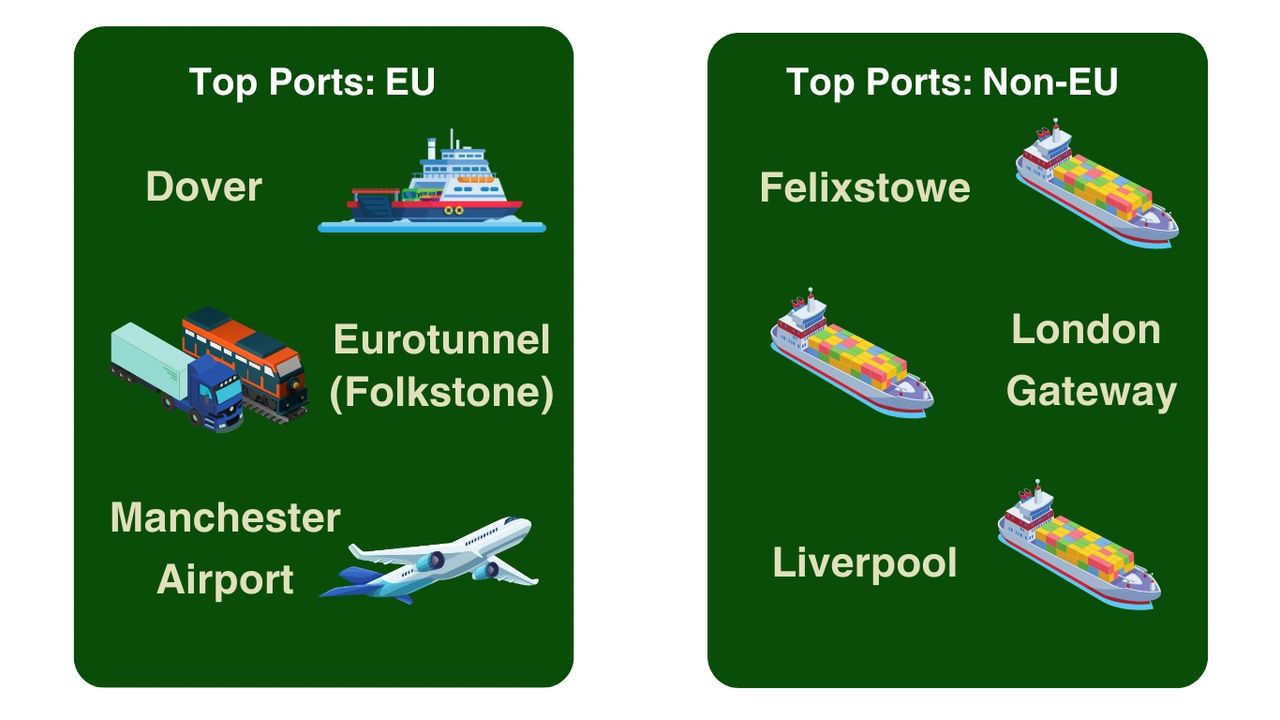
The difference in price between EU and non-EU imports highlights key factors of speed and security. This becomes evident from the variety of customs port of record. EU imports favour Dover, the Eurotunnel and Manchester Airport. Non-EU ports were dominated by large container and bulk shipping ports. Choosing the right port and route is critical to optimise effectively. You may only save a small margin, but it will add up.
There were also some interesting fluctuations in pricing month on month over the first half of 2024. April marked the highest average cost per kilogram for EU imports at £15.74/kg, while May saw non-EU prices bottom out at £3.95/kg. With the potential for thin margins, being tactical about when you import your tuna will also play a role in your optimisation.
Dominant Exporters: Mauritius and Ghana
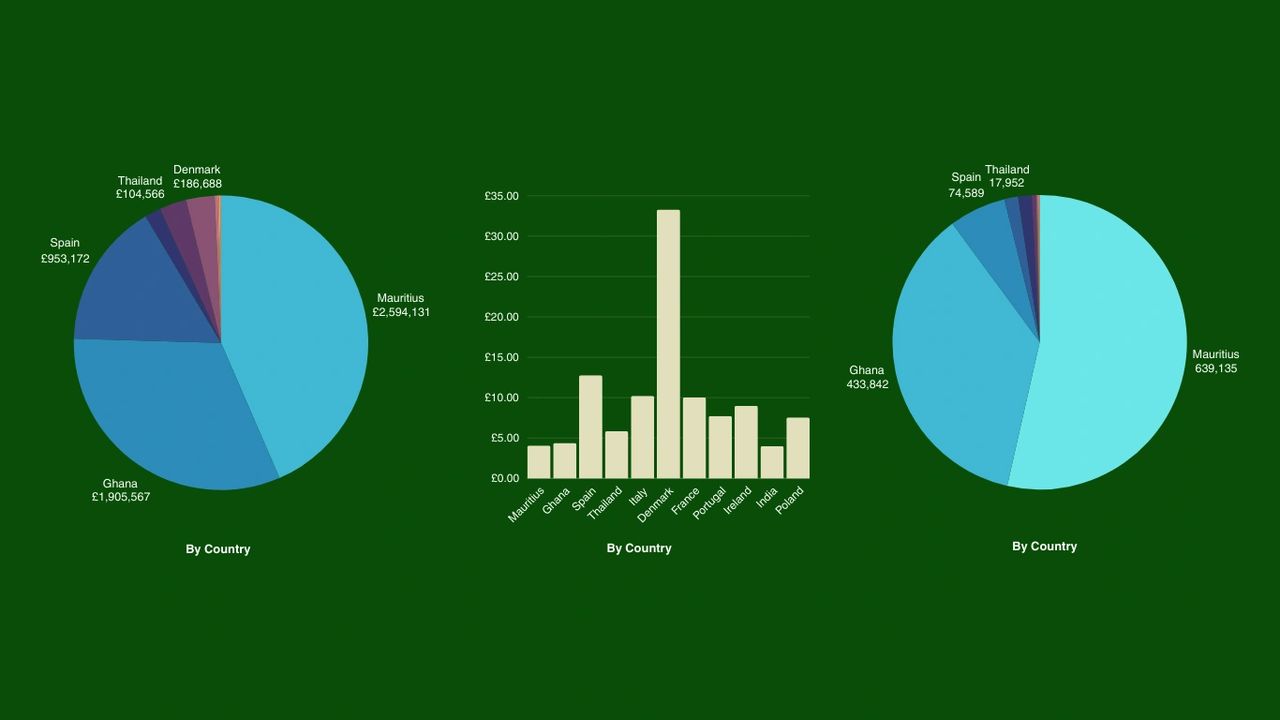
Mauritius led in the first half of 2024 with 639,135 kilograms valued at £2.59m. Ghana followed with 433,842 kilograms worth £1.91m. These countries dominate the market due to their advantageous geography, established fishing industries, and effective export strategies.
Beyond the Dominant Players
While Mauritius and Ghana dominate, smaller exporters are present but are predominately higher priced.
- Spain: Exporting 74,589 kilograms valued at £953,172, at a higher price of £12.78/kg, this will be a middle country from the country of origin. But has come on this route likely due to its high price per kg.
- Thailand: Thailand contributed 17,952 kilograms at £5.83/kg.
- Denmark: Denmark achieved the highest cost per kilogram (£33.29), considerably higher than others.
Summary
Yellowfin tuna imports to the UK reveal some intriguing insights with Mauritius and Ghana leading the way in terms of both quantity and value. However, importers must also navigate general trends like seasonal price fluctuations and transport costs to optimise their operations.
By analysing these trends and country-specific dynamics, businesses can make more informed decisions to remain competitive in the evolving yellowfin tuna market.
.svg)
.svg)
.webp)
.webp)
.webp)