
.svg)
Solar Panels
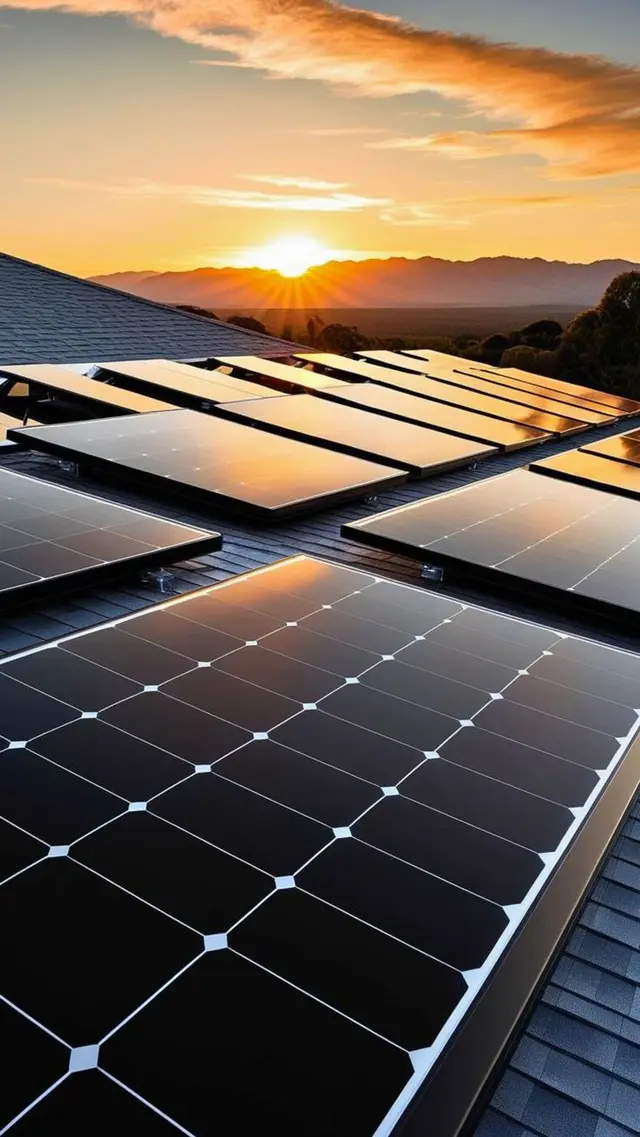
Solar panel sea freight combines high volume with fragility. A single solar project can require hundreds of thousands of panels shipped in multiple containers over a tight installation schedule. Each panel is a glass product that can crack or delaminate if mishandled, yet the project economics require shipping by sea rather than air. The logistics challenge is to move very large volumes reliably, on schedule, without damage. GoodFreight arranges sea freight for solar panels and photovoltaic equipment with the project coordination and handling specifications that renewable energy logistics requires.
The Malaysia to Germany corridor is one of the most active solar panel trade lanes globally, carrying panels from Malaysian manufacturing facilities to European project installers. We also handle solar panels from China to Europe, from the UK to project sites worldwide, and for specific country project requirements where import duty management is critical to project economics.
How This Shipment Works






How This Shipment Works
Common Pitfalls and How We Avoid Them
Anti-dumping duties on solar panels from certain origins
The European Union and other markets have applied anti-dumping duties on solar panels from certain countries. These duties significantly increase the landed cost of panels and must be accounted for in project economics. We advise on anti-dumping duty applicability for your panels' country of origin and manufacturing location before the order is placed, not after the shipment arrives.
Panel damage from inadequate loading and stowage
Solar panels are flat glass products that crack under point loading and delaminate under excessive flexion. Stacking height limits, packing material requirements, and stowage instructions from the panel manufacturer must be followed during loading and unloading. We specify these requirements explicitly in the booking and work with stevedores who are experienced in fragile cargo.
Project schedule slippage from vessel delays
Sea freight schedules are subject to vessel delays, port congestion, and routing changes. For solar projects with installation contractors on site waiting for panels, a vessel delay creates real costs. We advise on appropriate booking lead times and vessel options for project shipments, and monitor ETAs actively throughout transit.
Routes We Handle
We regularly handle this cargo on the following routes:
Origin
Malaysia
China
China
United Kingdom
Vietnam
Destination
Germany
Netherlands
United Kingdom
Africa
Europe
Mode
Road
Road
Road
Road
Road
Typical transit
20 to 25 days
28 to 32 days
28 to 32 days
18 to 25 days
25 to 30 days
Who Ships This
This service is used by solar project developers, renewable energy equipment distributors, EPC contractors managing installation programmes, and procurement teams at energy companies. If your project depends on panels arriving on schedule, contact us early.
Related Services
GoodFreight at a glance

Frequently Asked Questions
Are there anti-dumping duties on solar panels imported into the UK or EU?
.svg)
The European Union has historically applied anti-dumping duties on solar panels from China, which significantly increased their landed cost into the EU. UK anti-dumping measures have evolved separately since Brexit. The duty situation changes periodically as investigations are updated. We advise on the current duty status for solar panels from your specific manufacturing country and destination market before you commit to a supply contract. Duty costs can make a significant difference to project economics and should be confirmed early.
What container type is used for solar panel sea freight?
Most solar panels ship in standard 40ft high cube dry containers, which provide additional height clearance compared to standard dry containers and allow more panel layers to be loaded. Panels must be packed by the manufacturer according to their handling specifications, typically with interleaving protection and in reinforced pallets or crates. We specify loading and stowage requirements based on the manufacturer's instructions and confirm that the stevedore at the origin port will follow them.
How do you manage the project schedule for large solar panel shipments?
For large solar projects requiring multiple container loads over a defined schedule, we plan the shipping programme from the start. This means confirming vessel availability and booking slots in advance, building in buffer time to account for potential delays, monitoring every shipment from departure to arrival, and communicating any schedule risk early so the project team can adjust the installation programme. We provide a single point of contact for the entire shipping programme rather than treating each container as a separate transaction.