
.svg)
Olive Oil
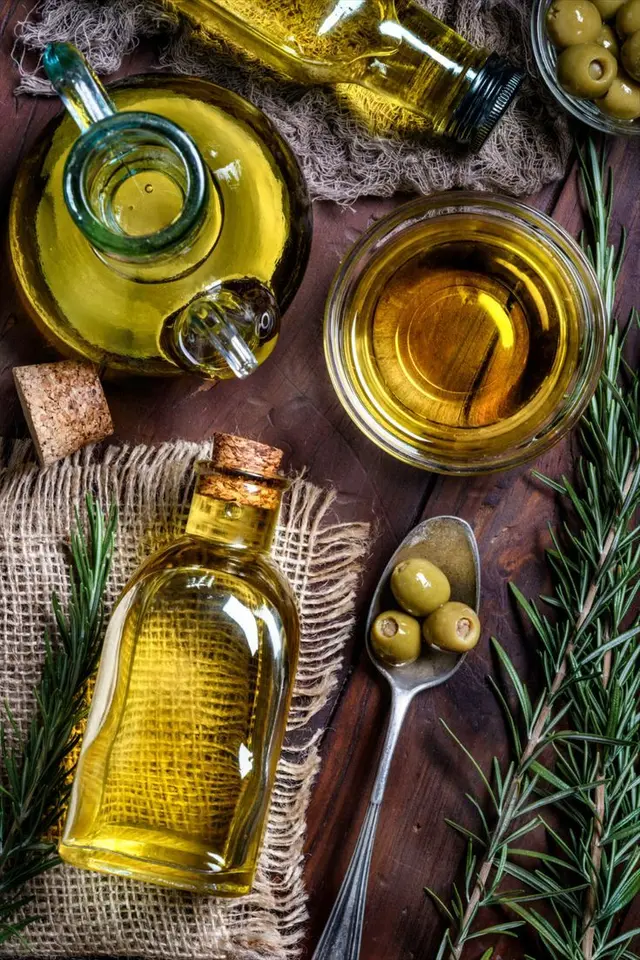
Olive oil sea freight divides into two distinct product flows: bulk olive oil transported in ISO tanks or flexitanks for bottling at the destination market, and bottled olive oil shipped in containers for retail and food service distribution. Both require food-grade handling and documentation. Bulk shipments require food-grade containers and certificates of cleanliness. Bottled olive oil requires careful stowage to prevent bottle breakage. Both require origin and quality documentation that has become increasingly important as fraud detection in the olive oil market has intensified.
Spain is the world's largest olive oil exporter, and the Spain to Japan corridor represents one of the premium olive oil trade lanes globally. We also handle olive oil from Italy, Greece, Tunisia, and Morocco. For olive oil entering the EU or UK, compliance with EU olive oil regulations covering grading, labelling, and origin requirements is mandatory.
How This Shipment Works






How This Shipment Works
Common Pitfalls and How We Avoid Them
Food-grade container contamination
Olive oil is one of the most contamination-sensitive food products. A container or tank that previously carried chemicals, non-food materials, or incompatible food products can contaminate an entire batch of olive oil. We require certificates confirming the prior cargo and cleanliness of the container or tank before olive oil is loaded.
Olive oil fraud and documentation scrutiny
Olive oil fraud including mislabelling of extra virgin grade, incorrect origin claims, and adulteration is a major issue globally. Customs authorities and food safety inspectors scrutinise olive oil documentation carefully. Correct origin documentation, quality certificates from accredited laboratories, and grade certification from recognised bodies are essential for smooth customs clearance.
Temperature sensitivity during sea transit
Premium extra virgin olive oil can be affected by heat and light during sea transit. For high-value premium olive oil, temperature-controlled containers or careful routing to avoid excessively hot transit environments is advisable. We advise on temperature management options for premium olive oil shipments.
Routes We Handle
We regularly handle this cargo on the following routes:
Origin
Spain
Italy
Tunisia
Greece
Spain
Destination
Japan
United States
United Kingdom
China
United Kingdom
Mode
Road
Road
Road
Road
Road
Typical transit
28 to 33 days
10 to 15 days
8 to 12 days
28 to 33 days
5 to 8 days
Who Ships This
This service is used by olive oil importers and distributors, food manufacturers using olive oil as an ingredient, specialty food retailers, and bulk buyers sourcing directly from producing regions.
Related Services
GoodFreight at a glance

Frequently Asked Questions
Can you handle bulk olive oil in ISO tanks or flexitanks?
.svg)
Yes. Bulk olive oil typically travels in ISO tanks, which are stainless steel tanks mounted on a shipping frame, or in flexitanks, which are large food-grade plastic bladders installed inside a standard 20ft dry container. ISO tanks are suitable for repeated use and are the preferred option for large volumes and premium quality olive oil. Flexitanks are lower cost and disposable, suitable for lower-grade bulk shipments. We arrange both options and confirm food-grade certification of the container or tank before loading.
What certification is required for olive oil exports from Spain?
Spanish olive oil exports typically require a commercial invoice with full product description including grade, a phytosanitary or health certificate from the Spanish competent authority, a certificate of origin, and for extra virgin olive oil, a quality certificate from an accredited testing laboratory confirming the grade. For exports outside the EU, the specific documentation requirements depend on the destination market's import regulations.
How do you ensure olive oil quality is maintained during sea freight?
We ensure the container or tank used for olive oil is food-grade certified and free from prior cargo contamination. For premium extra virgin olive oil, we advise on routing that avoids extreme heat and discuss temperature-controlled options if warranted by the product value. We also advise on optimal container fill levels for flexitank shipments to minimise headspace and oxidation risk during the voyage.