
.svg)
Heavy Machinery
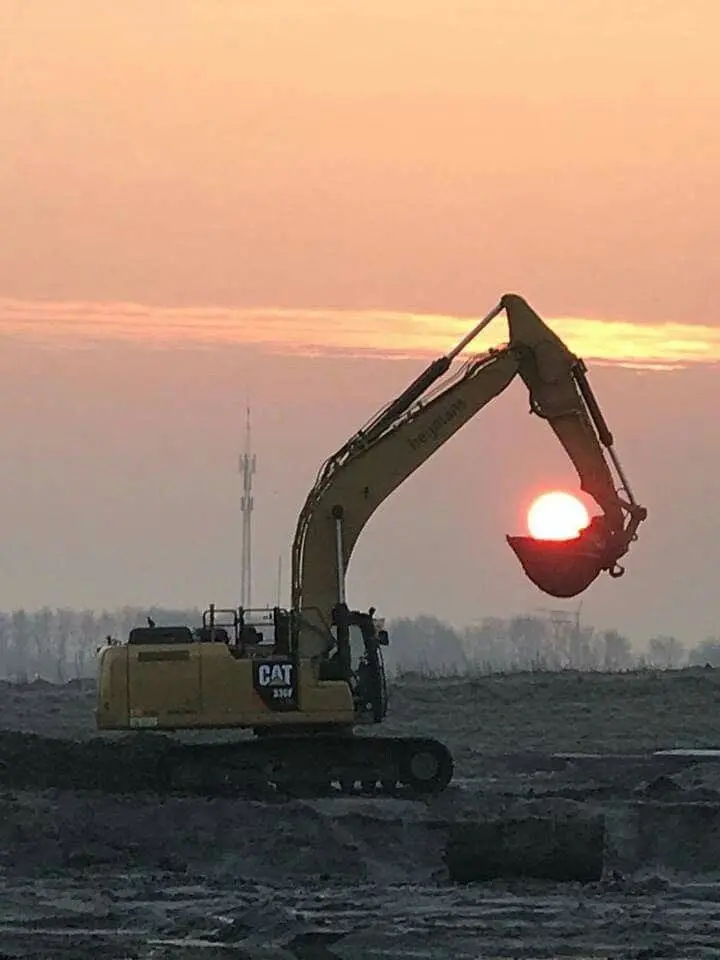
Heavy machinery presents specific freight challenges that standard logistics providers are not equipped to handle: weight that exceeds standard container limits, dimensions that require specialist equipment, and customs classification that needs to be correct before departure. Getting any of these wrong adds cost and delay to a project that is likely already on a tight timeline. GoodFreight arranges sea freight for heavy industrial machinery with the right equipment, the right routing, and the right documentation from the start.
We coordinate flat rack, open top, and standard container options depending on your machinery's dimensions and weight. For oversized or overweight items, we manage the specialist loading arrangements and any port permits required. For cross-border shipments, we handle customs clearance on both ends so you have a single point of contact for the complete movement. Not two separate providers who blame each other when something goes wrong.
How This Shipment Works



How This Shipment Works
Common Pitfalls and How We Avoid Them
Container type not matched to actual dimensions
Standard dry containers have fixed internal dimensions. Heavy machinery that does not fit a standard container requires a flat rack or open top. Booking the wrong container type means the cargo cannot be loaded and the booking must be redone, losing port slots and vessel space. We confirm the correct container type based on actual dimensions before booking.
Weight exceeding container limits
A 40ft dry container has a maximum payload of approximately 26,500 kg. Heavy machinery can exceed this. Overweight containers are rejected at the port. For cargo above standard payload limits, we assess specialist options including spread-load arrangements and multiple container solutions.
Customs classification error on machinery
HS code classification for industrial machinery varies significantly by machine type and function. An incorrect code leads to wrong duty calculation and potential customs examination or penalty at the destination. We verify classification before preparing the customs entry, not after the cargo has arrived at the destination port.
Routes We Handle
We regularly handle this cargo on the following routes:
Origin
Japan
Germany
UK
China
USA
Destination
South Africa
Brazil
Middle East
West Africa
Europe
Mode
Road
Road
Road
Road
Road
Typical transit
25 to 30 days
20 to 25 days
18 to 22 days
20 to 28 days
10 to 15 days
Who Ships This
This service is used by industrial equipment manufacturers, plant and machinery exporters, project engineering companies, and procurement teams buying equipment internationally. If your machinery does not fit in a standard container, we have handled that situation before.
Related Services
Frequently Asked Questions
What container types are available for heavy machinery?
.svg)
Standard 20ft and 40ft dry containers work for machinery that fits within the internal dimensions and weight limits. For machinery that is too wide, too tall, or too heavy for a standard container, we use flat rack containers (no roof or side walls) or open top containers (no roof, retractable side posts for craned loading). For very large or very heavy items, multi-container arrangements or breakbulk options may be required.
Do you handle permits for oversized or overweight machinery?
Yes. For machinery that exceeds standard transport dimensions or weight on road legs at origin or destination, we coordinate any special permits required. This includes abnormal load permits for road haulage in the UK and Europe, and any port-specific requirements for oversized cargo handling.
Can you manage both the UK export and destination import customs?
Yes. We manage UK export customs clearance and destination import customs clearance as part of the same service. For international machinery exports, this is particularly important because incorrect documentation at either end causes the most significant delays and costs. You deal with one point of contact for the full movement.