
.svg)
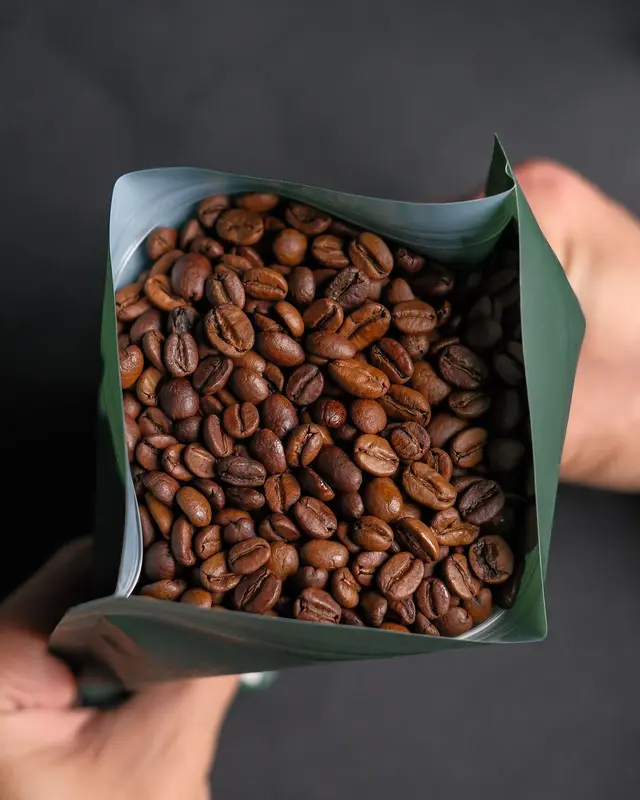
Coffee Beans
Coffee sea freight connects some of the world's most remote growing regions to consuming markets across Europe, North America, and Asia. Green coffee travels from origin countries to roasteries and green coffee traders, while roasted coffee ships to retail and food service distributors. Both require specific documentation including ICO certificates of origin for green coffee, health certificates for food import compliance, and phytosanitary certificates for markets that require them. GoodFreight arranges sea freight for coffee with the food safety and trade documentation expertise that this commodity requires.
The Colombia to Netherlands corridor is one of the most active specialty coffee trade lanes globally, connecting Colombian coffee growing regions to European roasting and trading hubs. We also handle coffee from Ethiopia, Kenya, Brazil, Vietnam, Indonesia, and other origins. For specialty and single-origin coffees where provenance is a key commercial attribute, correct origin documentation is both a regulatory requirement and a commercial necessity.
How This Shipment Works


How This Shipment Works
Common Pitfalls and How We Avoid Them
ICO certificate required for coffee imported into certain markets
The International Coffee Organization certificate of origin is required for coffee exports from ICO member exporting countries to certain importing markets. Missing or incorrectly completed ICO certificates cause delays at the destination border. We confirm ICO certificate requirements for your specific origin and destination at quote stage.
Moisture damage to green coffee during sea transit
Green coffee is susceptible to moisture and humidity damage during long sea transits. Correct packaging including jute or grain-pro bags within the container, moisture-absorbing desiccant packs, and avoiding booking on routes with extreme temperature differentials all reduce the risk of moisture damage. We advise on packaging and container selection for the specific transit.
Mold or pest contamination detected at destination border
Coffee is subject to phytosanitary inspection at many destination borders. Contaminated or infested coffee is rejected and destroyed at considerable cost. Pre-shipment inspection and documentation from a reputable inspection body at origin reduces the risk of rejection.
Routes We Handle
We regularly handle this cargo on the following routes:
Origin
Colombia
Ethiopia
Vietnam
Brazil
Kenya
Destination
Netherlands
Germany
Belgium
Netherlands
United Kingdom
Mode
Road
Road
Road
Road
Road
Typical transit
15 to 20 days
18 to 22 days
28 to 33 days
15 to 20 days
22 to 28 days
Who Ships This
This service is used by green coffee traders and importers, specialty roasters sourcing directly from origin, coffee distributors, and commodity traders. From single-origin specialty to commercial volume, both handled.
Related Services
GoodFreight at a glance

Frequently Asked Questions
What documentation is required for green coffee imports?
.svg)
Documentation for green coffee imports typically includes a commercial invoice, packing list, bill of lading, phytosanitary certificate from the origin country, and an ICO certificate of origin for exports from ICO member countries. For coffee entering the EU or UK, the consignment must come from a country and establishment on the approved list for plant products, and a pre-notification through the Import of Products, Animals, Food and Feed System (IPAFFS in the UK) may be required. We advise on the complete documentation set for your origin and destination.
Can you handle both FCL and LCL coffee shipments?
Yes. FCL is the standard for large volumes including full container loads of green coffee, typically 17 to 18 tonnes in a 20ft container or 25 tonnes in a 40ft high cube. LCL is suitable for smaller specialty coffee shipments where a full container is not required. For specialty and single-origin coffees, LCL consolidation is common for initial market test shipments. We recommend the right option based on your volume.
How long does sea freight take from Colombia to the Netherlands?
Sea freight from Colombian ports including Cartagena or Buenaventura to Rotterdam or Amsterdam typically takes 15 to 20 days port-to-port. Door-to-door transit including collection at origin and customs clearance and delivery in the Netherlands adds approximately 7 to 14 days.