
.svg)
Belgian Chocolates
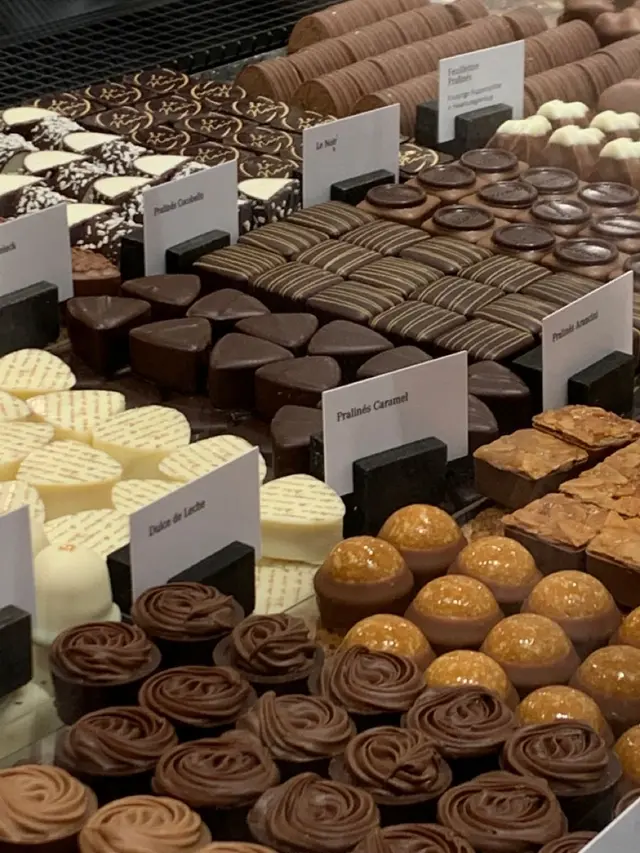
Belgian chocolates and premium confectionery are temperature-sensitive and require careful handling and packaging to avoid melting, bloom, or damage. Sea freight is used for larger orders and for destinations where air freight cost is prohibitive. GoodFreight arranges sea freight for chocolates with temperature-controlled options where needed and the packaging and documentation support that this product demands.
Key trade lanes include Belgium to the UK, USA, Japan, and Australia. We handle both FCL and LCL chocolate shipments and advise on temperature control and packaging for the specific route and season.
How This Shipment Works






How This Shipment Works
Common Pitfalls and How We Avoid Them
Heat damage and melting
Chocolate melts at relatively low temperatures. For routes through hot climates or in summer, temperature-controlled containers are recommended. We advise on the need for reefer based on route and season.
Packaging and handling damage
Chocolates are fragile. Correct inner and outer packaging and careful stowage prevent crushing and breakage. We specify packaging standards for chocolate shipments.
Shelf-life and labelling
Chocolate has a limited shelf-life and destination markets have labelling requirements. We advise on documentation and shelf-life to ensure compliance at destination.
Routes We Handle
We regularly handle this cargo on the following routes:
Origin
Belgium
Belgium
Belgium
Belgium
Belgium
Destination
United Kingdom
United States
Japan
Australia
Canada
Mode
Road
Road
Road
Road
Road
Typical transit
2 to 5 days
14 to 20 days
28 to 35 days
35 to 42 days
14 to 20 days
Who Ships This
This service is used by confectionery importers, gift and premium food distributors, duty-free and travel retail buyers, and specialty food retailers in the Middle East, Asia, and the Americas.
Related Services
GoodFreight at a glance

Frequently Asked Questions
When do I need temperature-controlled shipping for Belgian chocolates?
.svg)
Temperature-controlled (reefer) shipping is recommended for Belgian chocolates when the route or season involves high ambient temperatures, or when the transit time is long enough that temperature buildup in a dry container could cause melting or bloom. For short sea crossings such as Belgium to the UK in cooler months, dry containers with adequate ventilation may be sufficient. For Belgium to the USA, Japan, or Australia, we typically recommend reefer containers to protect the product. We advise based on your specific route and shipment date.
What documentation is required for chocolate exports from Belgium?
Chocolate exports from Belgium typically require a commercial invoice, packing list, bill of lading, and a health certificate or certificate of free sale from the Belgian competent authority for food exports. For certain destination markets, a certificate of origin may be required. Chocolate entering the EU or UK from third countries must meet EU food safety and labelling requirements. We confirm the exact documentation set for your destination at quote stage.
How long does sea freight take from Belgium to the USA for chocolates?
Sea freight from Belgian ports such as Antwerp or Zeebrugge to US East Coast ports typically takes 14 to 20 days port-to-port. Door-to-door transit including collection in Belgium, export clearance, and US customs clearance and delivery adds approximately 5 to 10 days depending on final destination.