FASHION & TEXTILES
Textiles
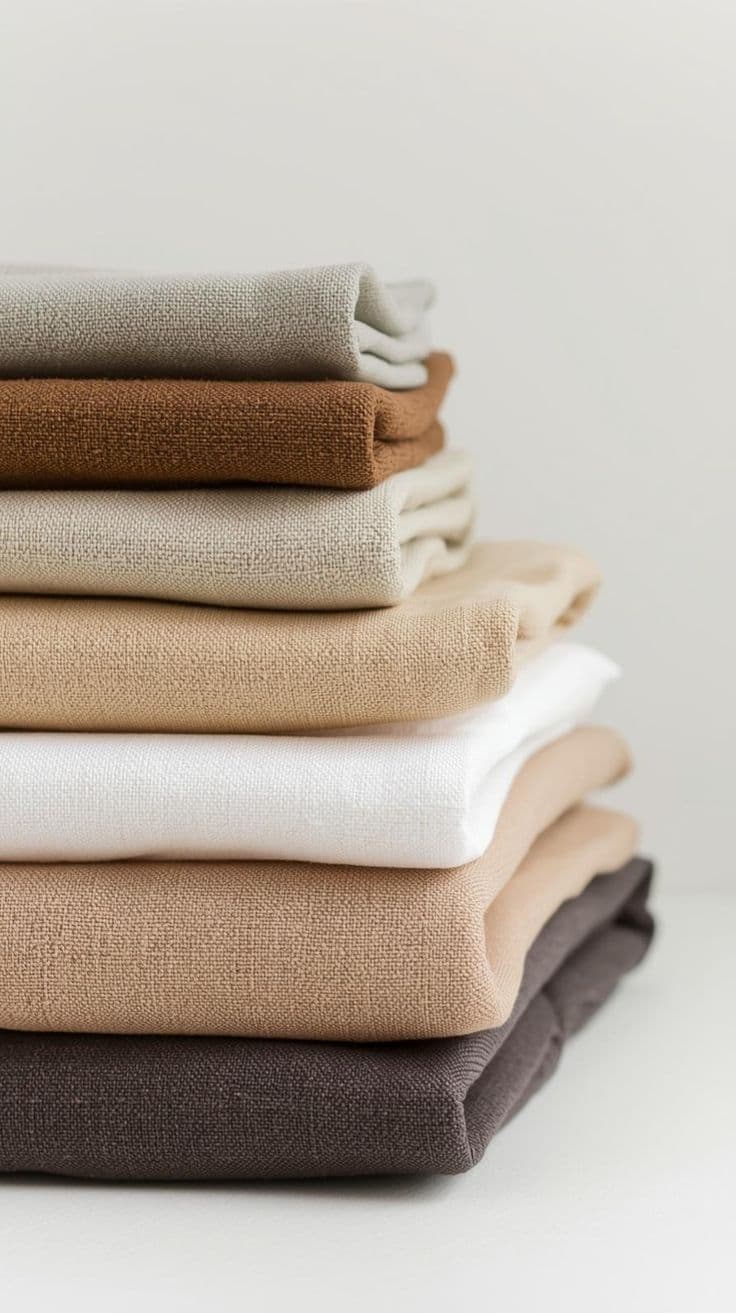
Textiles sea freight covers raw fibres, yarns, fabrics, and finished textile products. Origin documentation and correct classification are critical for customs clearance, especially where quotas, trade agreements, or anti-dumping duties apply. GoodFreight arranges sea freight for textiles with the documentation and classification support that importers and manufacturers need.
Major corridors include Asia to the UK and EU, Turkey to Europe, and intra-European movements. We handle FCL and LCL and advise on origin certificates and customs classification for your product and route.
JOURNEY
How This Shipment Works
Product and origin confirmed
Container and loading
Documentation prepared
Export clearance and departure
In transit
Destination customs clearance and delivery
Step 01
Product and origin confirmed
We confirm product type, composition, origin country, and destination market requirements for classification and documentation.
WATCH OUT
Common Pitfalls and How We Avoid Them
Incorrect origin or classification
Textiles are subject to origin rules and tariff classification that can affect duty rates and quota. Incorrect declaration leads to delays and potential penalties. We advise on correct classification and origin documentation for your product.
Moisture and contamination
Fabrics and fibres can be damaged by moisture or contamination in the container. We specify dry, clean containers and advise on packaging where necessary.
Quota and trade agreement requirements
Certain textile products are subject to quota or preferential trade agreement requirements. We confirm the documentation set required for your destination.
TRADE LANES
Routes We Handle
We regularly handle this cargo on the following routes:
| Origin | Destination | Typical transit |
|---|---|---|
| China | United Kingdom | 25 to 32 days |
| Bangladesh | Germany | 28 to 35 days |
| Turkey | United Kingdom | 10 to 15 days |
| India | Netherlands | 20 to 26 days |
| Vietnam | United States | 22 to 28 days |
WHO SHIPS THIS
Who Ships This
This service is used by fashion brands sourcing fabric and materials internationally, textile distributors, manufacturers importing raw materials, and retail buying teams.
RELATED
Related Services
GoodFreight at a glance
- Fibre content documentation accuracy essential: destination customs test imports.
- Rules of origin documentation confirmed for preferential duty treatment.
- Moisture protection: appropriate packaging for fabric and yarn on long sea transits.
- Key routes: India to France, Bangladesh to UK, China to UK, Turkey to Germany.
- LTL and FCL both available depending on volume.
- Anti-dumping duty assessment for textiles from certain origins.
Frequently Asked Questions
What documentation is needed for textile imports into the UK?
Textile imports into the UK typically require a commercial invoice, packing list, bill of lading, and a certificate of origin. For certain products and origins, preferential origin documentation under a trade agreement may be required to benefit from reduced or zero duty. Correct customs classification under the UK Tariff is essential. Some textile products may be subject to anti-dumping or safeguard measures. We advise on the full documentation set and classification for your product and origin to ensure smooth clearance.
Can you handle both fabric rolls and finished garments?
Yes. We handle raw fibres, yarns, fabric rolls, and finished garments. Fabric rolls require careful stowage and securing to prevent damage; we specify loading and securing requirements. Finished garments are typically shipped in cartons or on hangers in hanging garment containers. We recommend the right container type and loading method based on your product form.
How long does sea freight take from Bangladesh to Germany?
Sea freight from Bangladeshi ports such as Chittagong to German ports including Hamburg typically takes 28 to 35 days port-to-port. Door-to-door transit including collection at origin and customs clearance and delivery in Germany adds approximately 7 to 14 days.
Shipping textiles?
Tell us the product type, origin, volume, and destination. We will confirm documentation requirements, classification, and transit time.