INDUSTRIAL & CONSTRUCTION
Steel Pipes
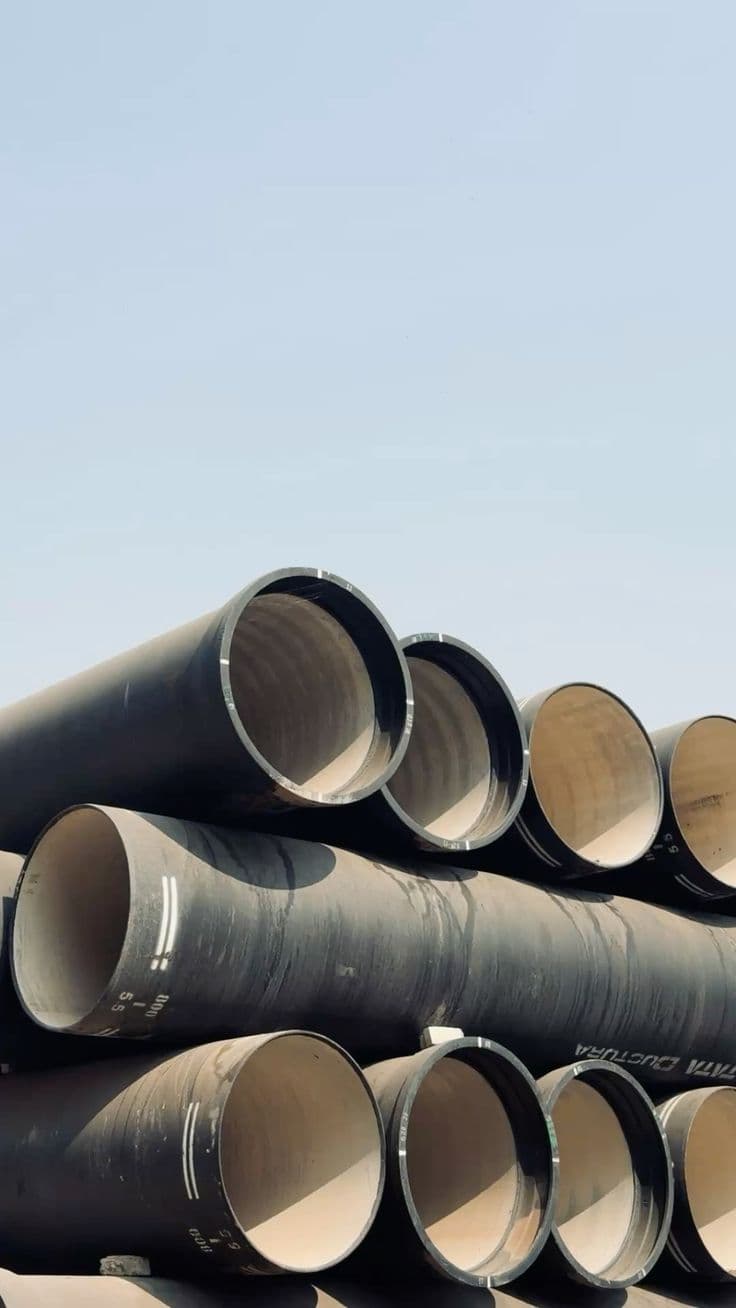
Steel pipes and structural sections present specific freight challenges. Their length often exceeds standard container dimensions, requiring flat rack or open top containers. Their weight can challenge standard container payload limits, requiring weight calculations and potentially multiple container solutions. And their surface condition can deteriorate during a sea voyage if not properly protected from the marine environment. GoodFreight arranges sea freight for steel pipes and structural products with the right equipment, the right stowage, and the right documentation.
The China to Saudi Arabia corridor is one of the most active steel pipe trade lanes globally, serving Gulf construction and oil and gas infrastructure projects. We also handle steel pipe shipments from European mills to construction projects worldwide, from the UK to the Middle East, and on other routes where infrastructure and energy projects require significant steel product logistics.
JOURNEY
How This Shipment Works
Dimensions, weight, and grade confirmed
Container type and stowage plan
Collection from mill or depot
Port loading
In transit
Discharge and delivery
Step 01
Dimensions, weight, and grade confirmed
We confirm pipe diameter, wall thickness, length, total weight per lot, and any special grade or coating requirements that affect handling.
WATCH OUT
Common Pitfalls and How We Avoid Them
Pipe length exceeding flat rack dimensions
Not all flat rack containers accommodate all pipe lengths. A standard 40ft flat rack has an effective cargo length of approximately 12 metres. Longer pipes may require specialist equipment or need to be cut to length before shipping. We confirm the maximum cargo length available at booking before committing to a vessel slot.
Corrosion during sea transit
Steel pipes with bare or lightly coated surfaces are vulnerable to saltwater corrosion during sea transit. VCI (Vapour Corrosion Inhibitor) treatment, end caps, and appropriate desiccant packs reduce corrosion risk during voyage. We advise on protective measures based on the pipe grade, coating, and transit duration.
Weight per container exceeding port and vessel limits
Individual steel pipes and bundled sections can be extremely heavy. Port equipment including quay cranes has maximum lift weight limitations, and vessels have per-container weight limits. We calculate total weight per container before booking to ensure it is within all applicable limits.
TRADE LANES
Routes We Handle
We regularly handle this cargo on the following routes:
| Origin | Destination | Typical transit |
|---|---|---|
| China | Saudi Arabia | 18 to 22 days |
| Germany | Middle East | 18 to 22 days |
| United Kingdom | West Africa | 18 to 25 days |
| China | West Africa | 20 to 28 days |
| Europe | United States | 10 to 15 days |
WHO SHIPS THIS
Who Ships This
This service is used by oil and gas companies, infrastructure project contractors, steel stockholders and distributors, and construction companies sourcing structural steel. If your pipes are longer than a standard container, we arrange the right equipment.
GoodFreight at a glance
- Flat rack and open top containers for pipes exceeding standard container dimensions.
- Maximum flat rack cargo length: approximately 12 metres on a standard 40ft flat rack.
- VCI (Vapour Corrosion Inhibitor) protection recommended for bare steel on long voyages.
- Port crane weight limits verified before booking for very heavy steel products.
- Key routes: China to Saudi Arabia, Germany to Middle East, UK to West Africa.
- Weight distribution calculated per container before loading to comply with port limits.
Frequently Asked Questions
What type of container is used for steel pipe sea freight?
Steel pipes are typically shipped on flat rack containers, which have a flat base with collapsible end walls but no roof or side walls, allowing oversized or long cargo to be loaded and secured from above and from the sides. Open top containers are used where pipes fit within standard container width and height but cannot be top-loaded. For very long sections that require extending beyond the flat rack ends, specialist lashing and out-of-gauge documentation is required. We assess the right container type based on your pipe specifications.
How do you protect steel pipes from corrosion during sea transit?
Protection depends on the pipe grade, coating, and voyage duration. Options include wrapping pipe ends with VCI film or end caps to prevent moisture ingress at cut surfaces, applying desiccant packs inside bundled sections, applying a light protective oil coating to bare metal surfaces, and wrapping with waterproof film for longer voyages. We advise on the appropriate protection level for your specific pipes and transit route.
What are the weight limits for shipping steel pipes in containers?
A standard 40ft flat rack has a maximum payload of approximately 40 tonnes depending on the container spec. Port crane limits and vessel stow positions also impose practical weight limits. For very heavy steel products, we may recommend splitting into multiple containers or using breakbulk arrangements where the pipes are loaded directly into the vessel hold without a container. We calculate total weight per container before booking to confirm feasibility.
Shipping steel pipes?
Tell us the pipe specifications, quantity, origin, and destination. We will confirm the right container type, stowage plan, and routing.