FOOD & BEVERAGE
Frozen Seafood
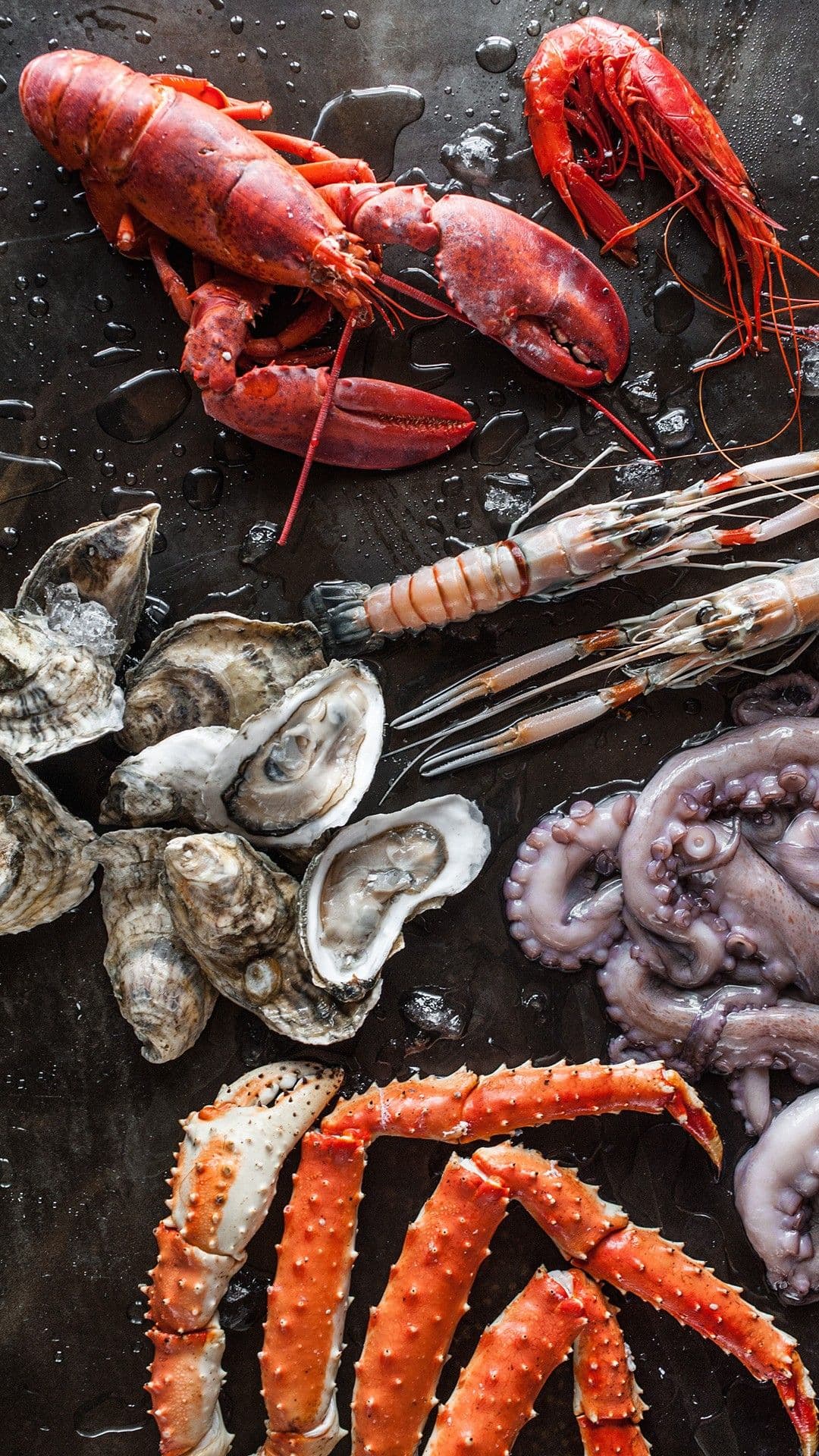
Frozen seafood sea freight requires unbroken cold chain from the processing facility to the destination market. A temperature excursion at any point in the process can cause quality degradation that is not immediately visible but results in rejection or complaint at the point of sale. Food safety authorities in importing countries require documentation demonstrating that the cold chain was maintained throughout transit. GoodFreight arranges reefer container sea freight for frozen seafood with the cold chain management and documentation that this cargo requires.
The Norway to Japan corridor is one of the most premium frozen seafood trade lanes globally, carrying Norwegian salmon and other cold-water species to Japanese food service and retail markets. We also handle frozen seafood from Iceland, the UK, Chile, and other origins to markets across Asia, Europe, and the Middle East. For fish and seafood entering the EU or UK, HACCP documentation and health certificates are required as part of the import clearance process.
JOURNEY
How This Shipment Works
Product specification and temperature requirement confirmed
Reefer container booked and pre-cooled
Loading at cold store or processing facility
Port acceptance and vessel departure
In transit temperature monitoring
Destination health inspection and customs clearance
Step 01
Product specification and temperature requirement confirmed
We confirm species, processing method, required transit temperature, and any destination market food safety requirements.
WATCH OUT
Common Pitfalls and How We Avoid Them
Reefer malfunction detected after departure
A reefer malfunction that goes undetected until the container is opened at the destination results in a total loss. We select carriers with remote monitoring capability that alerts the carrier and ourselves to any temperature excursion during the voyage, allowing the vessel to intervene if the ship is still within range.
Health certificate not accepted by destination authority
Many importing countries have specific health certificate requirements for frozen seafood that must be obtained from the competent authority in the country of origin. A certificate from the wrong authority, in the wrong format, or with incomplete information will be rejected at the destination border. We advise on destination market health certificate requirements before the shipment departs.
Customs clearance delay leaving frozen seafood on the quay
Frozen seafood that is delayed in customs clearance risks temperature excursion if cold store arrangements at the destination port are inadequate. We pre-arrange cold store allocation at the destination port and ensure customs documentation is complete and ready before arrival to minimise dwell time at the terminal.
TRADE LANES
Routes We Handle
We regularly handle this cargo on the following routes:
| Origin | Destination | Typical transit |
|---|---|---|
| Norway | Japan | 25 to 30 days |
| Iceland | United Kingdom | 5 to 8 days |
| Chile | China | 28 to 35 days |
| United Kingdom | Middle East | 18 to 22 days |
| Canada | Europe | 10 to 15 days |
WHO SHIPS THIS
Who Ships This
This service is used by seafood processors and exporters, frozen food distributors, restaurant and food service importers, and supermarket seafood buyers. Cold chain from processing facility to destination cold store, managed throughout.
GoodFreight at a glance
- Reefer setpoint: typically minus 18°C or below for commercially frozen products.
- Remote temperature monitoring throughout the voyage with proactive alerts.
- Reefer pre-cooling confirmed before loading to prevent thermal shock.
- Health certificate management: destination market requirements confirmed at booking.
- Cold store pre-allocation at destination port to prevent customs dwell time risk.
- Key routes: Norway to Japan, Chile to Europe, Iceland to UK, UK to Middle East.
Frequently Asked Questions
What temperature should frozen seafood be shipped at?
Most frozen seafood ships at minus 18 degrees Celsius or below, which is the standard for frozen fish and shellfish. Some premium products including certain sushi-grade fish may require minus 25 degrees Celsius or lower. The correct temperature depends on the species, processing method, and destination market requirements. We confirm the temperature specification with you and book reefer containers set to that temperature for the entire voyage.
What health documentation is required for frozen seafood imports into the UK?
Frozen seafood imported into the UK from non-EU countries requires a health certificate issued by the competent authority in the country of origin, confirming the product meets UK food safety requirements. For fish and fishery products, the certificate must confirm that the establishment of origin is approved for export to the UK and that the product has been handled in accordance with HACCP principles. Pre-notification through IPAFFS may be required before the goods arrive. We advise on the full documentation set for your specific product and origin.
How long does sea freight take for frozen seafood from Norway to Japan?
Sea freight from Norwegian ports to Japanese ports typically takes 25 to 30 days depending on the routing and vessel schedule. Door-to-door transit including collection from the cold store in Norway, export clearance, port processing, Japanese import clearance, and delivery to the customer adds approximately 7 to 14 days. We provide specific door-to-door estimates at quote stage based on your origin and destination points.
Shipping frozen seafood?
Tell us the species, origin, destination, and temperature requirement. We will confirm reefer options, documentation, and transit time.