FOOD & BEVERAGE
Exotic Spices
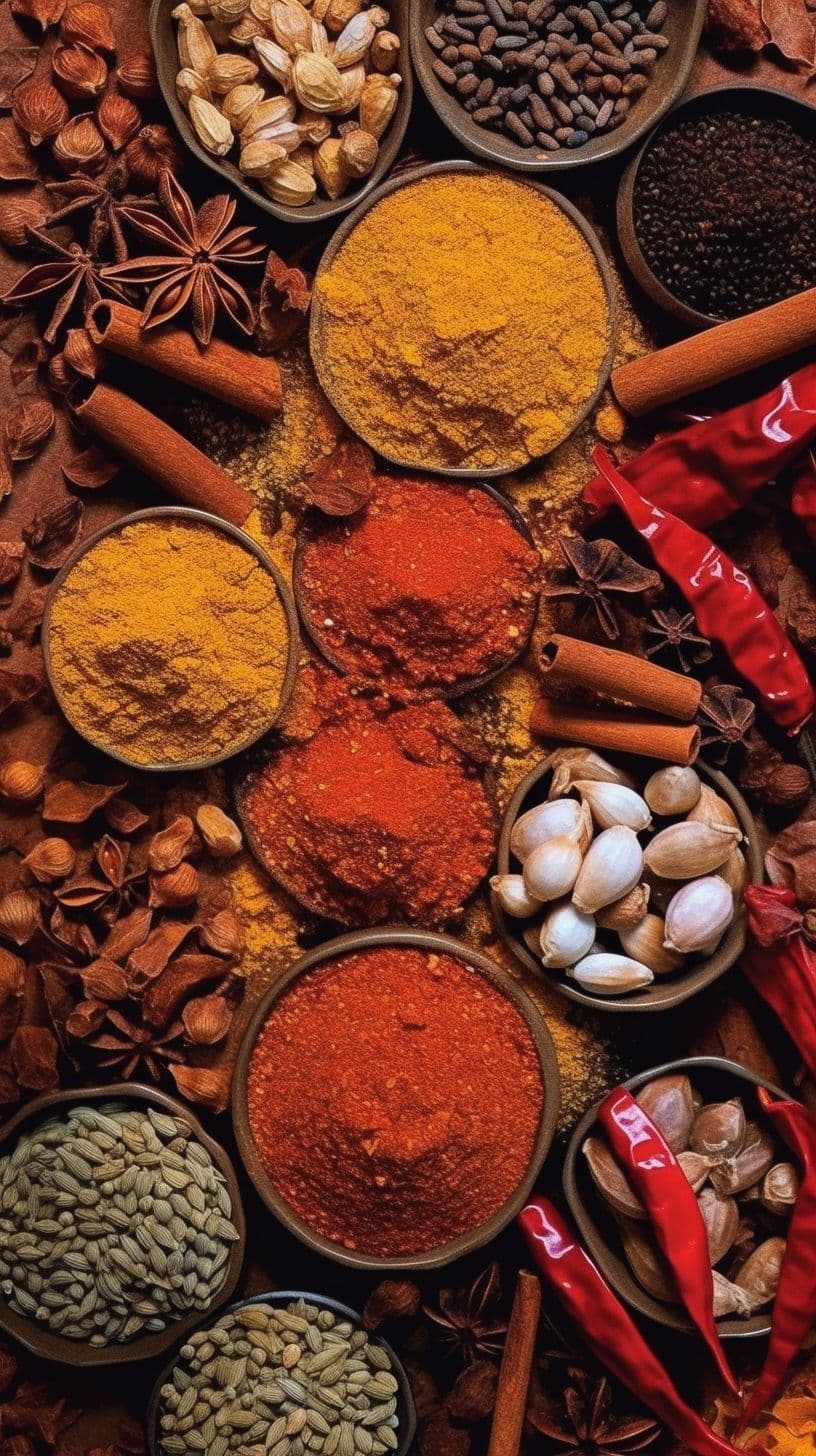
Exotic spices and botanical ingredients are among the most regulated food commodities in global trade. Importing countries including the EU, UK, and the United States apply strict controls on spices including maximum residue limits for pesticides, contaminant limits for aflatoxins and other mycotoxins, and phytosanitary requirements to prevent the introduction of plant pests. Non-compliance results in consignments being detained, tested, and potentially destroyed at the border. GoodFreight arranges sea freight for exotic spices with the documentation and compliance knowledge that this cargo demands.
The Indonesia to Netherlands corridor carries significant volumes of Indonesian spices including black pepper, nutmeg, cloves, cinnamon, and chilli into European distribution markets. We also handle spice freight from India, Sri Lanka, Vietnam, and other major producing countries. For spices entering the EU or UK, EU Regulation on official controls on food applies at the border, and certain spice origins are subject to enhanced border controls.
JOURNEY
How This Shipment Works
Product specification and regulatory requirements confirmed
Export documentation and phytosanitary certificate
Container selection and loading
Export clearance and departure
In transit
Destination border inspection and customs clearance
Step 01
Product specification and regulatory requirements confirmed
We confirm the spice type, origin country, and destination market regulatory requirements including any enhanced border controls applicable to your specific origin.
WATCH OUT
Common Pitfalls and How We Avoid Them
Consignment selected for enhanced border controls
Certain spice origins are subject to enhanced border controls by the EU and UK, meaning a higher percentage of consignments from these origins are physically examined and sampled. We advise on current enhanced control status for your specific origin and spice type so you can build testing lead time into your delivery schedule.
Mycotoxin or pesticide residue exceeding maximum limits
Aflatoxin in chillies and certain other spices, and pesticide residue exceeding maximum residue limits, are the most common reasons for spice consignments being rejected at EU and UK borders. We advise on pre-shipment testing options at origin that can identify compliance issues before the product is shipped.
Documentation discrepancies between export and import declarations
Spices are often described using multiple common names and Latin names that can create confusion between export and import documentation. Ensuring that the product description on the phytosanitary certificate matches the description on the commercial invoice and the customs declaration avoids compliance queries at the border.
TRADE LANES
Routes We Handle
We regularly handle this cargo on the following routes:
| Origin | Destination | Typical transit |
|---|---|---|
| Indonesia | Netherlands | 22 to 28 days |
| India | United Kingdom | 18 to 22 days |
| Vietnam | Germany | 28 to 33 days |
| Sri Lanka | United Kingdom | 20 to 25 days |
| Morocco | France | 8 to 12 days |
WHO SHIPS THIS
Who Ships This
This service is used by spice importers and distributors, food manufacturers sourcing ingredients internationally, specialty food wholesalers, and retail buyers. Phytosanitary documentation managed end to end.
RELATED
Related Services
GoodFreight at a glance
- Enhanced border control status assessed for spice origin and type before booking.
- Phytosanitary certificate from competent origin authority managed as standard.
- Pre-shipment testing advice available for aflatoxin and pesticide residue compliance.
- Key routes: Indonesia to Netherlands, India to UK, Vietnam to Germany, Morocco to France.
- IPAFFS pre-notification submitted for spice imports into the UK.
- Documentation discrepancy check: export and import descriptions aligned before shipment.
Frequently Asked Questions
What phytosanitary documentation is required for spice imports into the UK?
Spices imported into the UK from non-EU countries require a phytosanitary certificate issued by the plant health authority in the country of origin, confirming the product is free from regulated plant pests. For certain spice types and origins, additional conditions apply including treatment requirements or identity and physical checks at the UK border inspection post. Some origins are subject to enhanced controls requiring sampling and laboratory analysis. We advise on the specific requirements for your spice type and origin before shipment.
Can you arrange pre-shipment testing for spices?
We can advise on pre-shipment testing laboratories in major spice producing countries that test for aflatoxins, pesticide residues, and other parameters relevant to EU and UK import requirements. Pre-shipment testing allows compliance issues to be identified before the product is shipped, avoiding the cost and delay of a rejection at the destination border. For origins subject to enhanced EU controls, pre-shipment testing is particularly advisable.
What is the transit time for spices from Indonesia to the Netherlands?
Sea freight from Indonesian ports including Tanjung Priok (Jakarta) to Rotterdam typically takes 22 to 28 days port-to-port. Door-to-door transit including collection from the spice depot or processing facility, export clearance in Indonesia, and EU import clearance and delivery in the Netherlands adds approximately 7 to 14 days.
Shipping exotic spices?
Tell us the spice type, origin, and destination. We will confirm documentation requirements, any border control implications, and transit time.